hero background image

We Don’t Just Design. We Engineer Emotions.

We blend UI/UX intelligence, technical architecture, and SEO foundations to create high-performance websites built for today’s AI-driven, mobile-first web.Whether you’re a startup, SME, NGO, hotel, or eCommerce brand, our app/website design process is engineered to turn clarity into conversions.
ui
User Interface (UI)
ux
User Experience (UX)
Mobile-First
Design
Branding &
Visual Identity

Latest Trends We Master

lumenoiddivider
bento grids ui ux

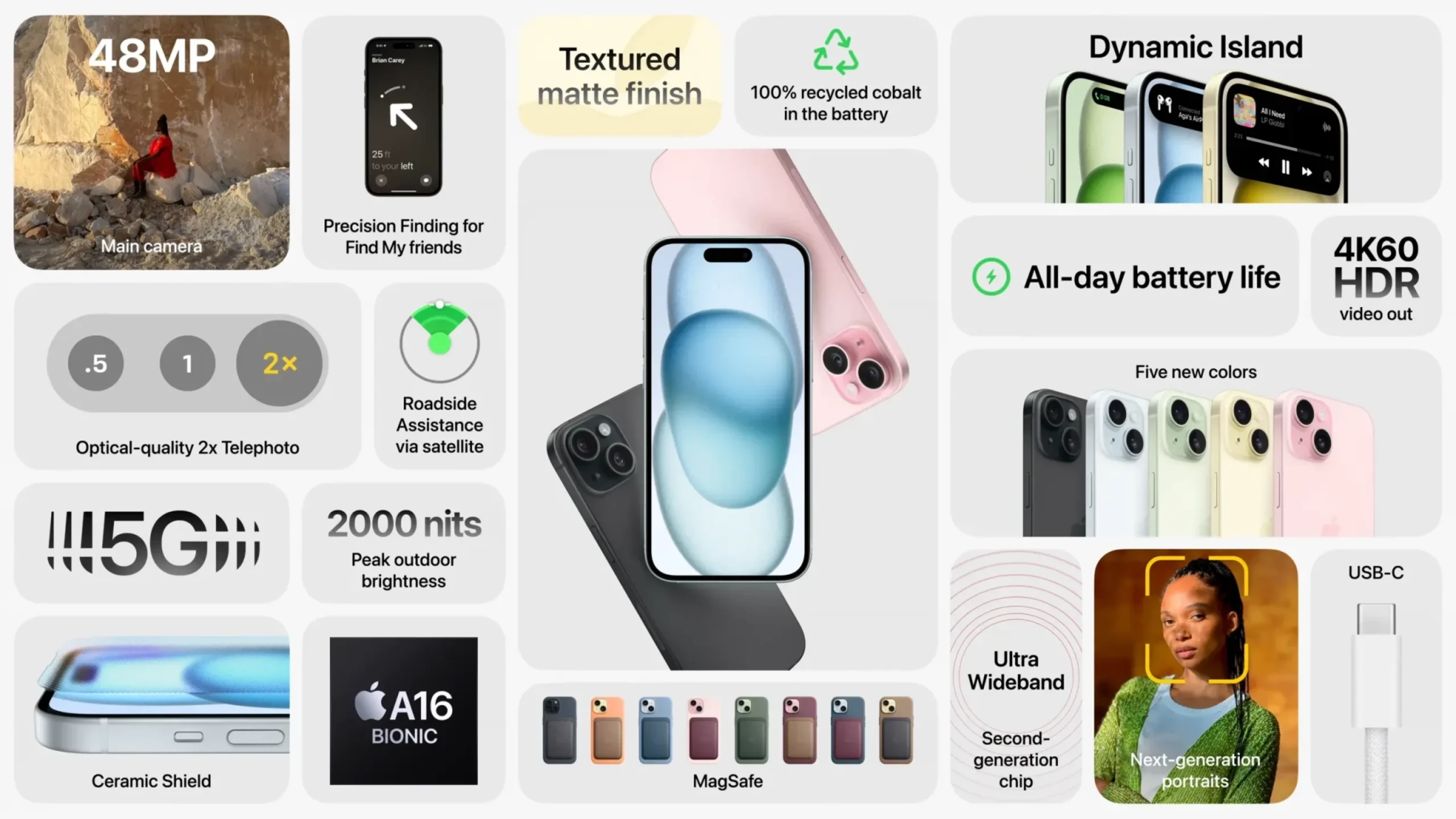
Bento Grids (The Modular Layout)

Inspired by Apple’s promotional material and dashboard UIs. We use Bento box patterns to organize complex content into clean, digestible, and highly responsive rectangular compartments. It’s structured, scannable, and incredibly modern.

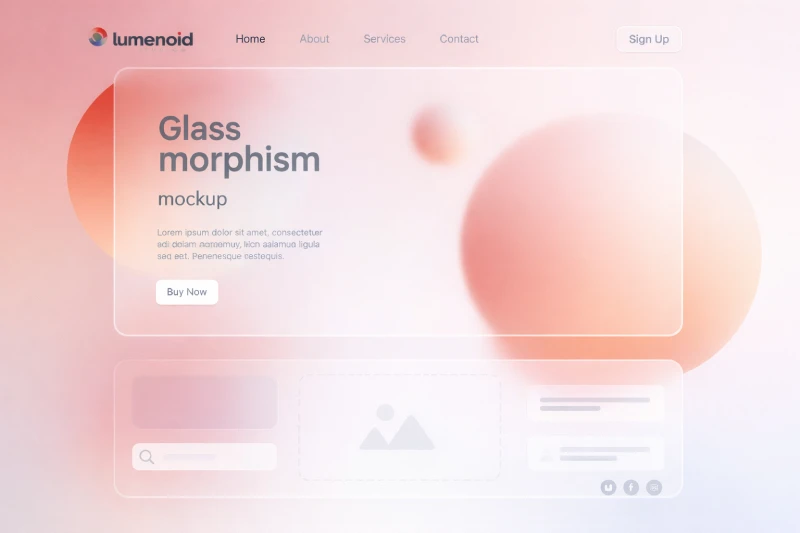
Glassmorphism (The Frosted Look)

Add depth and hierarchy without the clutter. We use Glassmorphism—translucent, frosted-glass effects with subtle light borders—to make your key elements (like cards and modals) float beautifully over the background.
neomorphsim ui ux

Neomorphism (Soft UI)

For brands that want a tactile, futuristic feel. We utilize Neomorphism to create soft, extruded shapes that look like they are part of the surface itself. It offers a clean, minimal, and hyper-realistic interaction experience.
neobrutalism

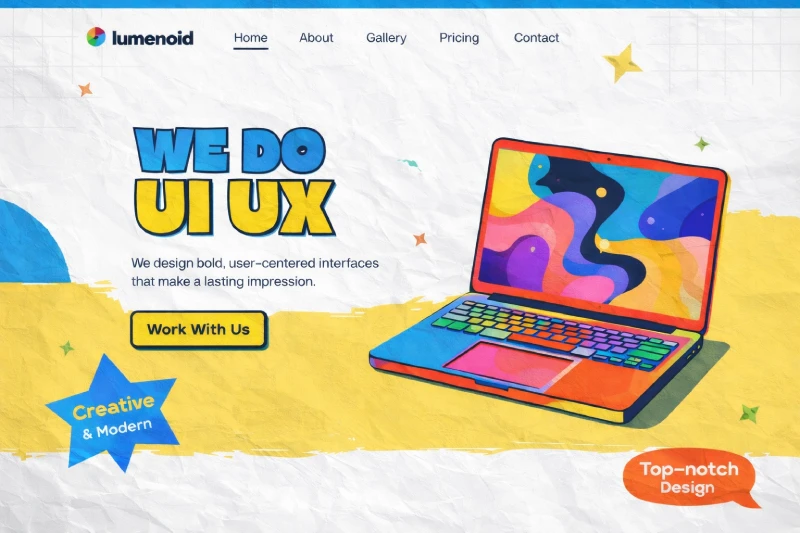
Neo-Brutalism (The Bold "Anti-Design")

For brands that want to scream "different." This style rejects the soft, polished look of modern tech in favor of high-contrast colors, thick black borders, and raw typography.
Frequently Asked
Questions
lumenoiddivider

UI/UX design services focus on how a website or digital product looks (UI – User Interface) and works (UX – User Experience) for real users. While UI deals with visual elements like layout, colors, typography, and spacing, UX focuses on structure, flow, usability, and how easily users can achieve their goals.

For business websites, good UI/UX design is critical because it directly affects user trust, engagement, and conversion rates. A visually attractive website that is confusing to use will fail, just as a usable website with poor design will feel unprofessional. Professional UI/UX design ensures your website is clear, intuitive, and aligned with your business goals, not just visually appealing.

Professional UI/UX design improves conversions by reducing friction and guiding users naturally toward desired actions such as enquiries, sign-ups, or purchases. Through clear visual hierarchy, intuitive navigation, and intentional layout decisions, users understand where to look, what to read, and what to do next.

Good UX design minimizes confusion, while strong UI design builds emotional trust. Together, they improve metrics like time on site, bounce rate, and conversion rate, which also indirectly support SEO performance.

UI design focuses on the visual layer of a website — colors, typography, spacing, buttons, icons, and overall aesthetics. UX design focuses on the experience layer — how information is structured, how users move through the site, and how easily they can complete tasks.

In professional website projects, UI and UX work together. UX defines the structure and flow first, and UI enhances it visually. Treating UI and UX as separate or isolated processes often leads to websites that look good but perform poorly

Yes, modern UI/UX design services often incorporate current design patterns such as bento layouts, glassmorphism, and soft-depth (neomorphic-inspired) designs, but only when they serve a clear purpose.

At a professional level, trends are used selectively. Bento layouts help organize content clearly, glassmorphism adds depth and elegance when used subtly, and soft-depth designs can improve visual comfort. The goal is not to chase trends, but to use them intentionally without harming usability, performance, or accessibility.

UI/UX design plays an important supporting role in SEO. Clear navigation, logical content hierarchy, readable layouts, and mobile-first design help search engines understand your site structure while also improving user behavior signals such as dwell time and engagement.

Additionally, performance-conscious UI design avoids heavy visuals and unnecessary effects that slow down websites. Faster, more usable websites tend to perform better in both search rankings and user satisfaction.

No. While visual beauty is important, UI/UX design is primarily about meaning, clarity, and usability. A well-designed website should communicate clearly, feel easy to use, and guide users without effort.

Professional UI/UX design balances aesthetics with purpose. The result is a website that feels calm, trustworthy, and intuitive — not flashy or overwhelming.

UI/UX design services can significantly improve existing websites. Many businesses already have a website but struggle with poor engagement, low conversions, or confusing navigation.

Through UX analysis and UI refinement, an existing website can be redesigned to improve clarity, flow, and visual balance without rebuilding everything from scratch. This is often more cost-effective and delivers noticeable improvements in performance and usability.

UI/UX design services can significantly improve existing websites. Many businesses already have a website but struggle with poor engagement, low conversions, or confusing navigation.

Through UX analysis and UI refinement, an existing website can be redesigned to improve clarity, flow, and visual balance without rebuilding everything from scratch. This is often more cost-effective and delivers noticeable improvements in performance and usability.

UI/UX design is never one-size-fits-all. The design approach depends on the industry, audience behavior, and business goals. A service business website requires clarity and trust, while an e-commerce or SaaS product needs strong navigation and interaction design.

Professional UI/UX design starts with understanding the user, not the trend. Design decisions are made based on context, intent, and user expectations, ensuring relevance across industries.

Yes. Mobile-first UI/UX design is essential because the majority of users interact with websites on mobile devices. Designing for mobile first ensures better readability, touch-friendly interactions, and faster performance.

A mobile-first approach also helps avoid clutter and forces clarity in design decisions, which benefits both users and search engines.